A Fresh Perspective
Financial Freedom Through Downsizing
The Growing Appeal of "Less is More"
In today's world of endless consumption, there's a growing recognition that sometimes less truly is more. Downsizing isn't just about moving to a smaller home — it's about creating space for what matters most in life, both figuratively and literally.Making Minimalism Work for You
Everyone's financial journey is unique, and the path to minimalism looks different for each person. Some find freedom in selling their large suburban homes for comfortable urban condos, while others discover it through thoughtfully decluttering their existing spaces. What connects these varying approaches is the profound impact they can have on your long-term financial wellbeing.The Financial Impact: Beyond the Obvious
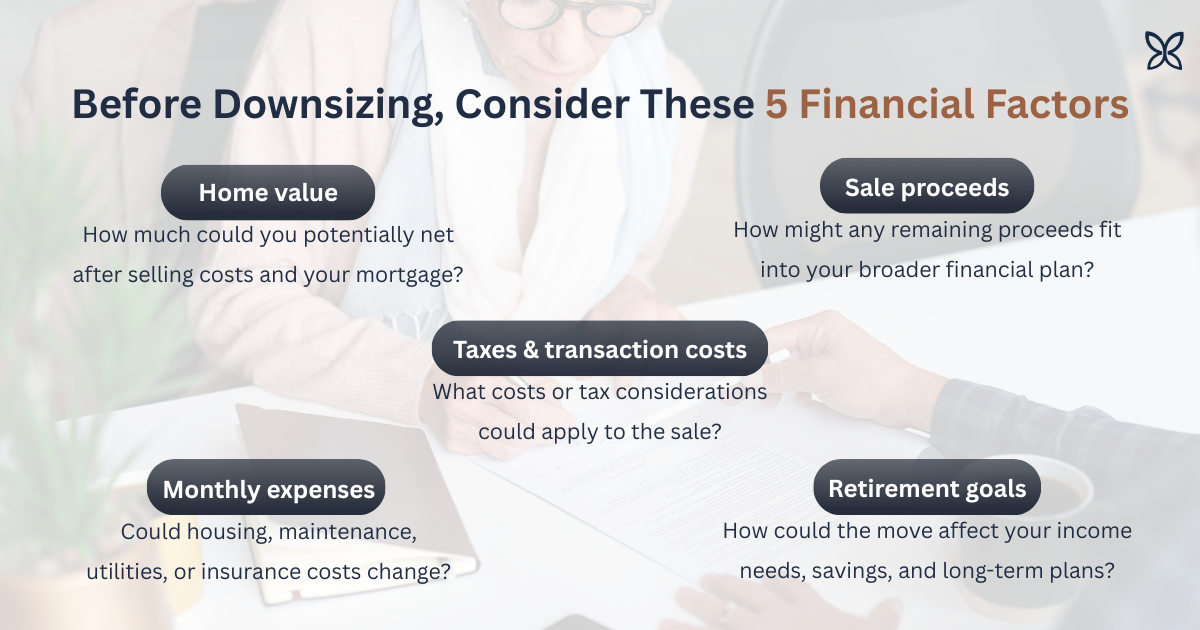
The financial benefits of downsizing extend far beyond the obvious reduction in mortgage payments. Here's what we typically see:- Immediate Cost Reductions: Lower utility bills, reduced maintenance costs, and decreased insurance premiums create significant monthly savings that can be redirected toward other financial goals.
- Capital Opportunities: Selling a larger home or unnecessary assets can provide a substantial influx of capital, opening up new investment possibilities and financial strategies.
- Mindful Spending Patterns: Living with less naturally leads to more intentional purchasing decisions, often resulting in long-term behavioral changes that positively impact financial health.
Transforming Retirement Possibilities
What's particularly interesting is how downsizing can transform your relationship with retirement planning. With reduced monthly expenses, you may find yourself with more flexibility in your investment strategies or the ability to accelerate your retirement timeline. People redirect their newfound savings into experiences they've always dreamed of, or into building legacy wealth for future generations.Beyond the Numbers: The Wellness Factor
However, the decision to downsize isn't purely financial. The reduced stress of maintaining less space and fewer possessions often leads to improved well-being, which can have its own financial benefits. Less time spent managing "stuff" means more time for activities that truly add value to your life — whether that's pursuing new business ventures, investing in relationships, or exploring personal interests.Making the Transition
The beauty of this approach is that it can be implemented gradually. Consider these starting points:- Start Small: Begin with decluttering one room or evaluating a single category of expenses
- Plan Strategically: We can work together to analyze tax implications and adjust investment strategies accordingly
- Customize Your Approach: Create a downsizing plan that aligns with your comfort level and personal goals
Moving Forward With Your Downsizing Decision
Downsizing can be more than a lifestyle decision. It can also be an opportunity to reconsider your housing costs, cash flow, assets, and priorities as your financial needs change. But the financial impact will look different for everyone, so it is important to consider the full picture before making a move.If you are considering downsizing, a devoted financial advisor can help you evaluate how a potential move could fit into your broader financial plan, including your retirement goals, expenses, investments, and applicable tax considerations.
At Wyse Financial Group, we can help you explore these considerations and determine how downsizing may fit into your individual financial goals and circumstances. The goal is not simply to have less, but to make thoughtful financial decisions that support the life you want to build.